Retatrutide Phase 3 Results: Up to 71.2 lbs Lost and Significant Osteoarthritis Pain Relief
NeuroPept Labs  · December 2025  · Clinical Research
Eli Lilly’s investigational triple agonist Retatrutide has delivered some of the most compelling weight loss data seen in a Phase 3 clinical trial to date — with participants losing an average of 28.7% of body weight over 68 weeks, while simultaneously experiencing near-complete relief from knee osteoarthritis pain.
Once-weekly injectable peptides like retatrutide represent the next frontier in metabolic research.
What Is Retatrutide?
Retatrutide is a once-weekly injectable peptide that simultaneously activates three hormone receptors: GIP (glucose-dependent insulinotropic polypeptide), GLP-1 (glucagon-like peptide-1), and glucagon. This triple-receptor mechanism sets it apart from existing GLP-1 single agonists like semaglutide and dual agonists like tirzepatide — making it the first-in-class triple hormone receptor agonist of its kind.
By targeting all three pathways simultaneously, retatrutide amplifies the body’s natural metabolic signaling: reducing appetite, improving insulin response, and increasing energy expenditure through glucagon receptor activation.
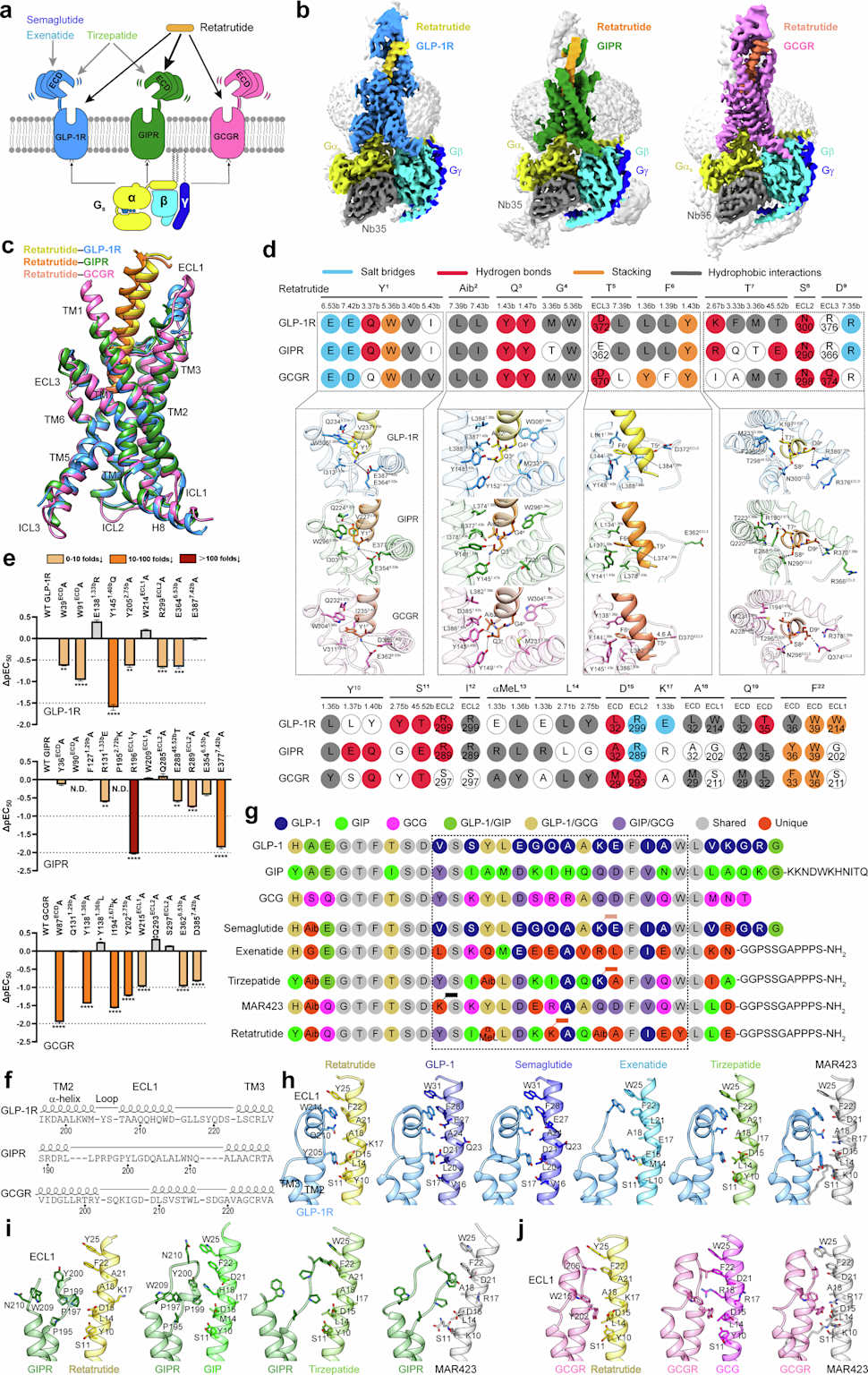
Structural visualization of retatrutide’s triple agonism at GLP-1R, GIPR, and GCGR receptors (Cell Discovery).
TRIUMPH-4 Trial: Overview
The TRIUMPH-4 trial (NCT05931367) enrolled 445 adults with obesity or overweight and knee osteoarthritis over 68 weeks. Participants had an average starting weight of 248.5 lbs (112.7 kg) and a BMI of 40.4 kg/m², with 84% having a BMI of 35 or above. Both the 9 mg and 12 mg doses of retatrutide met all primary and key secondary endpoints.
28.7%
Average body weight lost on 12 mg dose
71.2 lbs
Average pounds lost on 12 mg over 68 weeks
58.6%
Participants losing ≥25% body weight (12 mg)
Weight Loss Outcomes
Group
Average Weight Loss
Average lbs Lost
Retatrutide 9 mg
-26.4%
-64.2 lbs
Retatrutide 12 mg
-28.7%
-71.2 lbs
Placebo
-2.1%
-4.6 lbs
The proportion of participants achieving major weight loss thresholds on the 12 mg dose was remarkable:
58.6% of the 12 mg group lost ≥25% of body weight
39.4% lost ≥30% of body weight
23.7% lost ≥35% of body weight
Only 0.8% of placebo participants reached ≥30% weight loss
Osteoarthritis Pain Relief
Osteoarthritis is a key secondary endpoint in TRIUMPH-4.
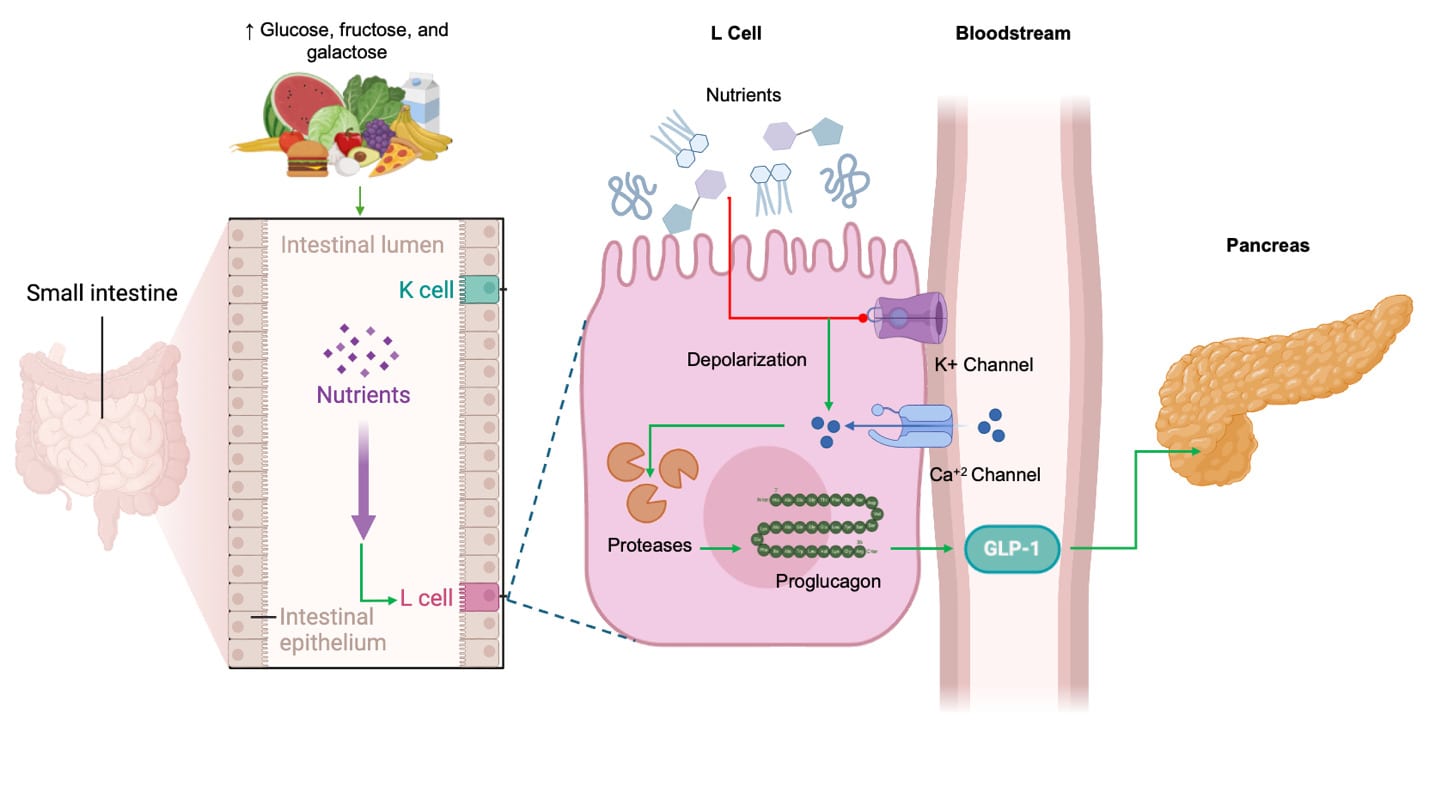
GLP-1 receptor signaling in the pancreas and brain.
WOMAC pain scores — a validated patient-reported measure where higher values indicate worse symptoms — were reduced dramatically:
Group
WOMAC Score Reduction
% Reduction
Retatrutide 9 mg
-4.5 points
-75.8%
Retatrutide 12 mg
-4.4 points
-74.3%
Placebo
-2.4 points
-40.3%
Physical function improved by over 71% in both dose groups. Notably, 14.1% of patients on the 9 mg dose were completely free of knee pain at week 68, compared to just 4.2% on placebo.
Cardiovascular and Metabolic Benefits
Beyond weight and pain, retatrutide also reduced cardiovascular risk markers including non-HDL cholesterol, triglycerides, and high-sensitivity C-reactive protein (hsCRP). The 12 mg dose lowered systolic blood pressure by an average of 14.0 mmHg.
Safety Profile
Adverse events were consistent with other incretin-based therapies. The most commonly reported side effects in the 9 mg and 12 mg groups respectively were:
Side Effect
9 mg
12 mg
Placebo
Nausea
38.1%
43.2%
10.7%
Diarrhea
34.7%
33.1%
13.4%
Constipation
21.8%
25.0%
8.7%
Vomiting
20.4%
20.9%
0.0%
Decreased appetite
19.0%
18.2%
9.4%
Dysesthesia
8.8%
20.9%
—
Overall discontinuation rates due to adverse events were 12.2% (9 mg) and 18.2% (12 mg), compared to 4.0% on placebo, and were highly correlated with baseline BMI. Dysesthesia events were generally mild and rarely led to discontinuation.
What’s Next for Retatrutide?
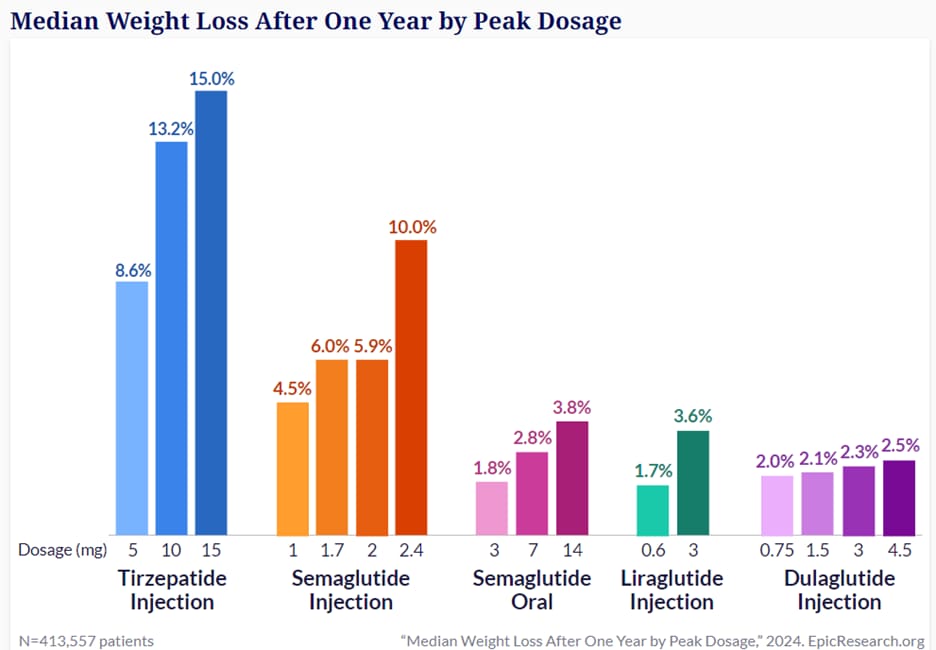
Retatrutide’s 28.7% weight loss surpasses results seen with current GLP-1 and dual agonist therapies.
TRIUMPH-4 is the first of eight Phase 3 trials in the TRIUMPH program. Seven additional trials evaluating retatrutide across obesity, type 2 diabetes, obstructive sleep apnea, chronic low back pain, cardiovascular outcomes, and metabolic liver disease are expected to report results through 2026.
A maintenance dose of 4 mg is also being evaluated, and analysts have noted that TRIUMPH-1 — the longest trial at 80 weeks — could potentially exceed 30% average weight loss.
Key Takeaway: Retatrutide’s TRIUMPH-4 data represents a potential paradigm shift in metabolic research — not only delivering record weight loss figures but also addressing comorbidities like osteoarthritis that are directly linked to excess adipose tissue. The triple-agonist mechanism continues to demonstrate advantages over single and dual receptor approaches.
Research Disclaimer: Retatrutide is an investigational peptide currently in Phase 3 clinical trials. It has not been approved by the FDA or any other regulatory authority for commercial use. All products on NeuroPept Labs are designated strictly for research use only and are not intended for human or veterinary use. This article is intended for informational purposes only and does not constitute medical advice.
When researchers encounter CJC-1295 for the first time, one question consistently arises: does the DAC modification matter, and which variant is right for the research protocol at hand? The answer is not simply a matter of convenience the presence or absence of the Drug Affinity Complex (DAC) fundamentally changes the pharmacokinetic profile, the pattern of growth hormone (GH) secretion, and the biological information the experiment can generate. This article provides a technical comparison of CJC-1295 No DAC (Modified GRF 1-29) and CJC-1295 With DAC to help researchers understand the mechanistic distinctions and select the appropriate compound for their investigative goals.
CJC-1295 variants are studied in laboratory settings for their distinct pharmacokinetic profiles.
What Is CJC-1295?
CJC-1295 is a synthetic analogue of growth hormone-releasing hormone (GHRH), specifically derived from the biologically active N-terminal fragment GHRH(1-29). Native GHRH has a plasma half-life of approximately 7 minutes due to rapid cleavage by the enzyme dipeptidyl peptidase IV (DPP-IV). CJC-1295 addresses this limitation through four strategic amino acid substitutions  Ala at position 2, Gln at position 8, Ala at position 15, and Leu at position 27  which confer resistance to DPP-IV-mediated degradation while preserving high-affinity binding to the GHRH receptor (GHRHR) on anterior pituitary somatotrophs.
Both CJC-1295 variants share this tetrasubstituted backbone. The critical difference lies in what happens after this point: one variant incorporates a Drug Affinity Complex that dramatically extends its biological activity, while the other does not.
The DAC Modification: How It Works
The Drug Affinity Complex (DAC) is a maleimide-lysine moiety added to the C-terminal extension of the CJC-1295 backbone. Once administered, this maleimide group undergoes a Michael addition reaction with the free cysteine-34 residue of endogenous serum albumin, forming a stable covalent bond. Since circulating albumin has a half-life of approximately 19 days, this bond effectively converts albumin into a long-lived circulating reservoir for the peptide releasing biologically active CJC-1295 gradually as the albumin-peptide bond undergoes slow hydrolysis.
Research data from Teichman et al. (2006, Journal of Clinical Endocrinology and Metabolism) confirmed that at least 90% of administered CJC-1295 with DAC binds covalently to albumin, with negligible free peptide remaining in circulation. This produces an estimated half-life of 5.8 to 9.2 days in human research subjects a dramatic extension from the approximately 30-minute half-life of the No DAC variant.
The DAC modification enables covalent albumin binding, transforming CJC-1295 into a sustained-release depot compound.
Pharmacokinetic Comparison
The pharmacokinetic profiles of the two variants represent their most significant distinction for experimental design purposes. CJC-1295 No DAC produces a rapid, high-amplitude GH pulse that returns to baseline within 2-3 hours, closely mimicking the natural ultradian GHRH pulses that originate from the hypothalamus. CJC-1295 with DAC produces a sustained, tonic elevation of GH and IGF-1 that persists for several days per administration.
Parameter
CJC-1295 No DAC (Mod GRF 1-29)
CJC-1295 With DAC
Half-Life
~25-30 minutes
~5.8-9.2 days
Albumin Binding
None
Covalent (Cys-34)
GH Secretion Pattern
Pulsatile, physiological
Sustained tonic elevation
IGF-1 Response
Short-term spikes, returns to baseline
Sustained multi-day elevation
DPP-IV Resistance
Moderate (tetrasubstitution)
High (tetrasubstitution + albumin protection)
Receptor Sensitivity
Better preserved (pulsatile pattern)
Potential downregulation risk (chronic)
Experimental Control
High (short window, timed protocols)
Lower (prolonged activity, harder to stop)
Molecular Weight
~3,367 Da
~3,647 Da
GH Secretion Patterns: Pulsatile vs Sustained
Understanding the difference between pulsatile and sustained GH secretion is fundamental to selecting the correct variant. Under normal physiological conditions, GHRH is released from the hypothalamus in discrete pulses typically 8 to 12 per day which drive corresponding GH pulses from the pituitary. This ultradian rhythm is not simply a convenience of biology; the pulsatile pattern is critical for maintaining GHRHR sensitivity and for producing the distinct hepatic and peripheral effects of GH on tissue metabolism and IGF-1 production.
CJC-1295 No DAC preserves this pulsatile model. Each administration produces an acute GH surge that clears within 2-3 hours, allowing the normal negative-feedback loop (somatostatin, IGF-1) to restore baseline GH tone before the next pulse. This makes it the preferred tool for research examining acute somatotroph signalling, GH pulse amplitude modulation, and combination protocols with GHS-R1a agonists such as Ipamorelin.
CJC-1295 with DAC, by contrast, bypasses this rhythm entirely. The sustained albumin-depot release maintains continuous GHRHR stimulation, overriding the normal somatostatin-driven off-phases. This produces a chronically elevated GH and IGF-1 environment that is distinctly non-physiological a research model suited to studying the effects of prolonged, uninterrupted GH axis activation rather than normal pulsatile biology.
The pulsatile vs sustained GH secretion distinction has significant implications for experimental design in GH axis research.
Research Applications: Which Variant for Which Protocol?
When to Use CJC-1295 No DAC
Pulsatile GH secretion studies replicating and studying the physiological ultradian GH rhythm in preclinical models
Combination GHRHR + GHS-R1a protocols paired with Ipamorelin for dual-pathway acute GH pulse amplification research
Acute neuroendocrine signalling short-window experiments requiring precise timing of GHRHR activation and deactivation
Receptor sensitivity studies experiments where GHRHR downregulation must be minimised across the duration of the study
Structure-activity relationship work evaluating how DPP-IV resistance substitutions affect GHRHR binding kinetics without the confound of albumin conjugation
When to Use CJC-1295 With DAC
Chronic GH axis elevation models longitudinal studies where sustained, multi-day GH and IGF-1 elevation is required
Once-weekly dosing protocols research models that require minimal intervention frequency
IGF-1 response studies examining sustained hepatic IGF-1 production over days or weeks rather than hours
Long-term body composition research preclinical models evaluating the downstream metabolic effects of chronic GH axis stimulation
A Note on Combination Research: CJC-1295 No DAC + Ipamorelin
One of the most commonly studied peptide combinations in the GH axis research literature pairs CJC-1295 No DAC with Ipamorelin, a selective GHS-R1a (ghrelin receptor) agonist. These compounds act through distinct but complementary receptor pathways: CJC-1295 No DAC activates GHRHR on pituitary somatotrophs, while Ipamorelin activates GHS-R1a a second, independent stimulatory pathway for GH secretion.
Research models combining both peptides study the additive effects of simultaneous GHRHR and GHS-R1a activation on pulsatile GH release amplitude. Because both act through different receptor mechanisms, their combined effect on GH secretion is studied as potentially greater than either compound alone. Crucially, CJC-1295 No DAC’s pulsatile profile is considered preferable in these combination protocols, as it preserves the acute pulse structure that makes the combination pharmacologically meaningful.
CJC-1295 No DAC is frequently studied alongside Ipamorelin for complementary GHRHR and GHS-R1a receptor pathway activation.
Storage and Handling
Store lyophilized peptide at 20°C or below prior to reconstitution
Avoid repeated freeze-thaw cycles
Protect from direct light, humidity, and room temperature exposure
Reconstitute using sterile bacteriostatic water under aseptic laboratory conditions
Once reconstituted, store at 4°C and use within recommended research timeframes
Frequently Asked Questions
What is the main difference between CJC-1295 No DAC and CJC-1295 with DAC?
The core difference is the Drug Affinity Complex (DAC) modification. CJC-1295 with DAC includes a maleimide-lysine group that binds covalently to serum albumin after administration, extending its half-life to approximately 6-9 days and producing sustained GH elevation. CJC-1295 No DAC lacks this modification, resulting in a ~30 minute half-life and producing acute, pulsatile GH release that closely mimics natural GHRH secretion patterns.
Which CJC-1295 variant is better for pulsatile GH research?
CJC-1295 No DAC (Modified GRF 1-29) is the preferred variant for pulsatile GH secretion research. Its short half-life produces acute GH pulses that return to baseline within 2-3 hours, accurately replicating the physiological ultradian GH rhythm and preserving the normal negative-feedback dynamics of the somatotropic axis. CJC-1295 with DAC overrides this rhythm with sustained tonic GH elevation, making it less suitable for studies where physiological pulsatility is the research variable.
What is Modified GRF 1-29 and is it the same as CJC-1295 No DAC?
Yes, Modified GRF 1-29 (Mod GRF 1-29) is an alternate name for CJC-1295 No DAC. Both refer to the same tetrasubstituted GHRH(1-29) analogue with DPP-IV-resistant amino acid modifications but without the DAC albumin-binding moiety. The “Modified GRF 1-29” naming convention is used by researchers to distinguish it clearly from the DAC-containing variant.
Why is CJC-1295 No DAC used with Ipamorelin in research?
CJC-1295 No DAC activates the GHRH receptor (GHRHR) on pituitary somatotrophs, while Ipamorelin activates the GHS-R1a (ghrelin receptor) two independent GH-stimulatory pathways. Combination protocols study whether simultaneous activation of both pathways produces additive or synergistic effects on pulsatile GH pulse amplitude. CJC-1295 No DAC is preferred over the DAC variant in these protocols because its pulsatile pharmacokinetic profile is compatible with the acute-response design of combination GH axis research.
Does CJC-1295 No DAC cause GHRH receptor downregulation?
Research models suggest CJC-1295 No DAC carries a lower risk of GHRHR downregulation compared to the DAC variant, precisely because its pulsatile activity pattern allows receptor recovery during the off-phases between pulses consistent with normal physiological GHRH signalling. CJC-1295 with DAC’s continuous receptor stimulation is associated with greater risk of GHRHR desensitisation over extended research protocols.
Research Use Disclaimer: All products discussed in this article are intended strictly for in vitro laboratory research and scientific investigation by qualified professionals. They are not approved for human consumption, medical treatment, or veterinary use. NeuroPept Labs products are sold for research purposes only.
GLP-1 peptides and incretin receptor signalling — a research-focused overview for laboratory scientists and peptide researchers.
GLP-1 (glucagon-like peptide-1) is one of the most studied peptide hormones in modern metabolic research. Originally identified as an incretin hormone produced in the gut in response to food intake, GLP-1 has since become the basis for an entire class of synthetic receptor agonists that are now among the most researched compounds in preclinical and clinical metabolic science. Understanding how GLP-1 works at the receptor level — and how it compares to GIP and glucagon receptor signalling — is fundamental for any researcher working in metabolic biology, endocrinology, or peptide pharmacology.
Peptide purity HPLC mass spectrometry research grade quality evaluation -Â Evaluating research-grade peptide quality through HPLC and mass spectrometry analysis.
Choosing a research peptide is not just about the name on the label. For reliable results, researchers need to evaluate purity, identity, and analytical verification using methods such as HPLC and mass spectrometry. This guide explains how to interpret peptide quality data, what HPLC actually measures, why mass spectrometry matters, and what to look for in a research-grade Certificate of Analysis.
Why Peptide Quality Matters
Peptide purity affects reproducibility, assay performance, and confidence in experimental results. Even small impurities can influence receptor binding studies, cell-based assays, or downstream analytical work, especially when the peptide is used in sensitive mechanistic research.
A high-purity peptide reduces the chance that truncated sequences, oxidized variants, or leftover synthesis byproducts will distort the outcome of a study. That is why peptide quality control is a core part of any serious research workflow.
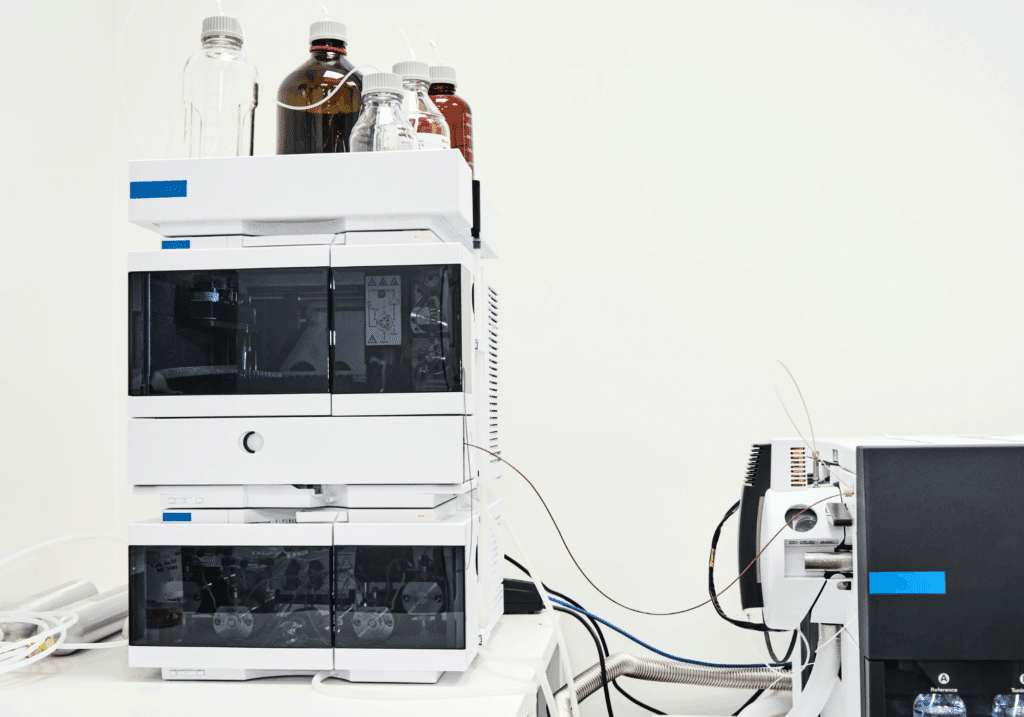
A high-performance liquid chromatography (HPLC) system is the standard instrument used to determine the purity of synthetic research peptides.
What HPLC Measures
HPLC, especially reversed-phase HPLC, is the standard method used to determine peptide purity by separating the target peptide from other components in the sample. The result is a chromatogram, where the main peak represents the primary compound and additional peaks may indicate impurities or related variants.
In practical terms, HPLC answers a simple question: how much of the sample appears to be the intended peptide. For research-grade materials, many suppliers and researchers consider 95% to 98%+ HPLC purity a common baseline, with higher levels preferred for more demanding applications.
Why Mass Spectrometry Is Needed Too
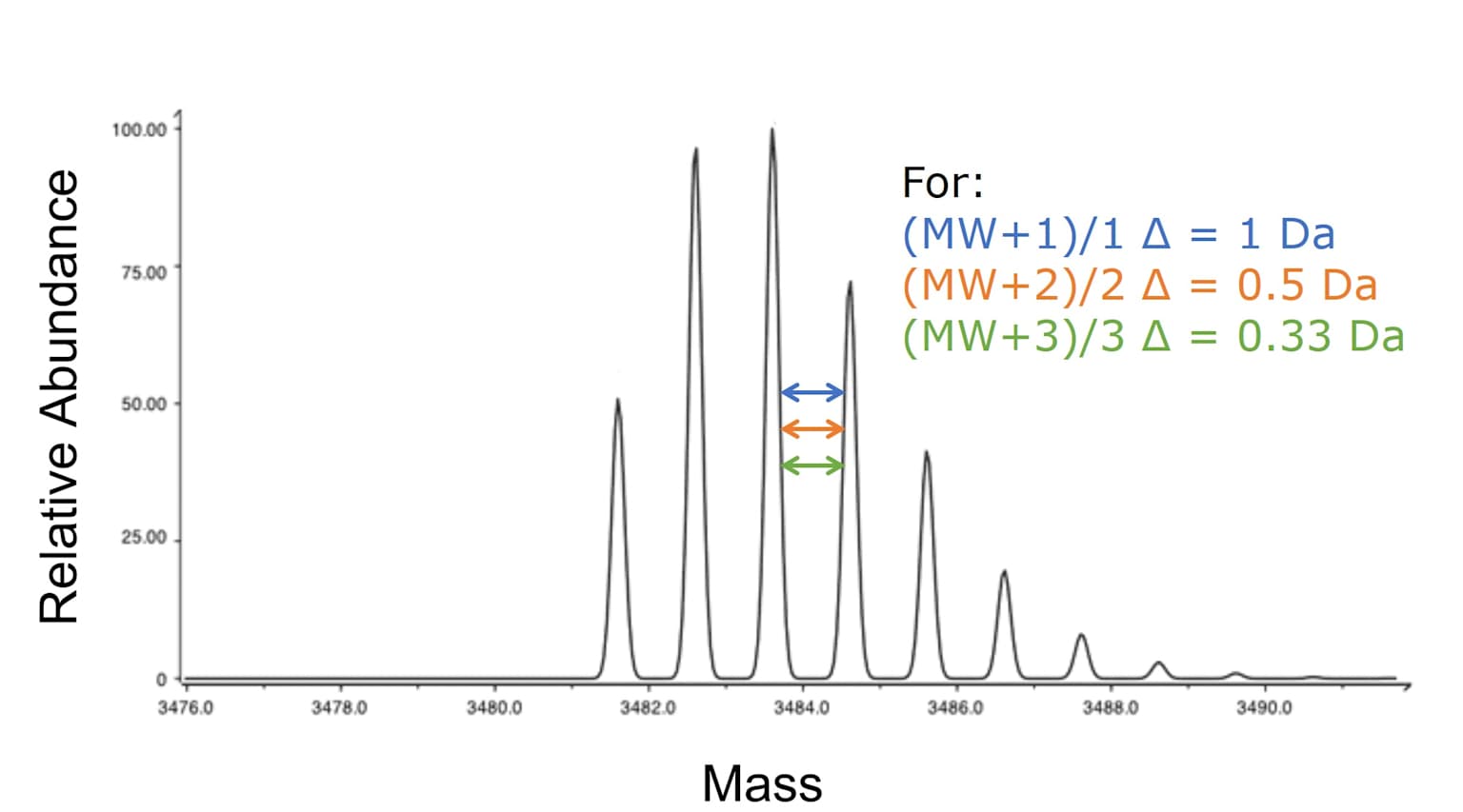
Mass spectrometry confirms identity, not just purity. It verifies whether the measured molecular weight matches the intended sequence, which is critical because a compound can look clean on HPLC yet still be the wrong molecule.
When HPLC and MS are used together, the result is much stronger evidence of quality. HPLC shows how much of the sample is present as the main component, while MS confirms that the main component is actually the peptide you ordered.
Mass spectrometry spectrum showing peptide variants and molecular weight confirmation — a critical step in research-grade peptide quality control.
How to Read a Certificate of Analysis
A useful Certificate of Analysis should clearly list the peptide name, batch number, purity percentage, analytical method, and molecular weight confirmation. If the COA includes HPLC and mass spectrometry data, that is a strong sign the product has been characterised properly.
Look for clarity, not just numbers. A purity claim without method details is less useful than a report that shows chromatographic conditions, detector type, and molecular identity confirmation.
What “Research-Grade” Really Means
Research-grade peptides are intended for laboratory investigation, not clinical or consumer use. In this context, the phrase usually implies consistent synthesis, analytical verification, and enough purity to support reproducible experimental work.
That does not mean every research peptide is identical. Some projects require standard research-grade material, while others need very high-purity material for sensitive binding studies, structural work, or publication-level assays.
Other Quality Checks to Consider
HPLC and mass spectrometry are the foundation, but additional quality markers can matter too. Depending on the application, researchers may also care about residual solvents, salts, endotoxin risk, and storage stability.
For peptides used in more demanding experiments, it is smart to ask whether the supplier provides third-party testing or batch-specific analytical documentation. That kind of transparency helps reduce uncertainty before a study begins.
Research-grade peptide vials should carry clear labelling, purity verification, and analytical documentation including HPLC and MS confirmation.
Practical Buying Checklist
Before choosing a peptide, check the following:
HPLC purity percentage is clearly stated
Mass spectrometry confirms molecular identity
The COA matches the exact batch you are buying
Storage and handling guidance are provided
The product is clearly labelled for research use only
If any of these are missing, the material may be harder to trust for serious research.
Final Thoughts
Evaluating peptide quality is not complicated once you know what to look for. HPLC tells you about purity, mass spectrometry confirms identity, and a good COA ties the whole picture together.
For researchers, that combination is the difference between a convenient purchase and a dependable experimental tool. If you are building a peptide workflow around reproducibility, analytical verification should be one of your first checkpoints.
Explore NeuroPept Labs’ research peptide catalogue — all compounds are accompanied by analytical documentation and are available strictly for laboratory research use. Browse our research catalogue →
All compounds referenced in this article are intended strictly for in vitro laboratory research purposes. They are not intended for human consumption, medical use, or veterinary applications.
In the realm of endocrinology and metabolic studies, GLP-1 (Glucagon-Like Peptide-1), GIP (Gastric Inhibitory Polypeptide), and glucagon are pivotal peptides that play a significant role in the regulation of glucose homeostasis and energy metabolism. Understanding these peptides is essential for health enthusiasts, healthcare professionals, and researchers focused on metabolic disorders.
Overview of GLP-1
GLP-1 is an incretin hormone released by the intestinal L-cells in response to food intake. It has multiple functions, including stimulating insulin secretion from the pancreas, inhibiting glucagon release, and slowing gastric emptying. These actions collectively help to reduce postprandial blood glucose levels, making GLP-1 a target for diabetes treatment.
Beyond its role in glucose regulation, GLP-1 also possesses neuroprotective and cardioprotective properties. Its involvement in appetite regulation has garnered interest in obesity research, as GLP-1 promotes satiety and reduces food intake. Therapeutic agents mimicking GLP-1, such as GLP-1 receptor agonists, have gained prominence in recent years.
Overview of GIP
GIP, another incretin hormone, is secreted by the K-cells of the duodenum and jejunum. Unlike GLP-1, GIP primarily functions to stimulate insulin secretion in response to nutrient intake, particularly fats and carbohydrates. However, its role appears to be more complex, given that GIP can also promote fat deposition and has less pronounced effects on appetite modulation compared to GLP-1.
Research has indicated that GIP might play a role in the development of obesity and metabolic syndrome, as its secretion is often elevated in individuals with these conditions. Understanding GIP’s complex role in metabolism is crucial for developing effective treatments for related disorders.
Overview of Glucagon
Glucagon, produced by the alpha cells of the pancreas, is a peptide hormone that plays a critical role in increasing blood glucose levels. It promotes glycogen breakdown in the liver and the production of glucose through gluconeogenesis. While glucagon’s primary role is to counteract hypoglycemia, its involvement in metabolic processes extends beyond blood glucose regulation.
Recent studies have highlighted glucagon’s potential role in energy expenditure and lipid metabolism. Its synergistic relationship with insulin is vital for maintaining metabolic balance, making glucagon another key focus in diabetes and obesity research.
Role in Metabolism
The interplay between GLP-1, GIP, and glucagon forms a complex network that regulates metabolism. While GLP-1 and GIP enhance insulin secretion, glucagon counterbalances these effects by elevating glucose levels when necessary. This delicate balance is crucial for maintaining homeostasis, particularly after meals.
Disruptions in this regulatory system can lead to metabolic disorders such as type 2 diabetes and obesity. Understanding how these peptides interact can provide insights into new therapeutic strategies aimed at restoring metabolic balance.
Single vs Multi-Receptor Compounds
Definition of Single-Receptor Compounds
Single-receptor compounds are therapeutic agents that target a specific receptor to elicit a desired physiological response. For instance, GLP-1 receptor agonists are designed to bind exclusively to GLP-1 receptors, enhancing insulin secretion and suppressing glucagon release. While effective in managing certain conditions, these agents often fall short in addressing the multifaceted nature of metabolic disorders.
Definition of Multi-Receptor Compounds
In contrast, multi-receptor compounds interact with more than one receptor, allowing for a broader range of physiological effects. These compounds can activate pathways associated with GLP-1, GIP, and glucagon, which may offer a more comprehensive approach to treating metabolic disorders. By simultaneously targeting multiple receptors, these agents can exploit synergistic effects that enhance metabolic outcomes.
Advantages of Multi-Receptor Compounds
The primary advantage of multi-receptor compounds lies in their ability to produce enhanced therapeutic effects. By activating multiple pathways, these compounds can improve insulin sensitivity, regulate appetite, and promote weight loss more effectively than single-receptor agents. This multi-faceted approach is particularly beneficial in populations struggling with obesity and type 2 diabetes, where a singular focus may not yield sufficient results.
Additionally, multi-receptor compounds may reduce the likelihood of adverse effects due to their balanced interaction with various receptors. This interaction can lead to more stable pharmacokinetics and a lower chance of developing tolerance, enhancing the overall efficacy of the treatment.
Why Researchers Study Multi-Pathway Activation
Synergistic Effects on Metabolism
Research into multi-pathway activation is driven by the potential for synergistic effects on metabolism. Combining the actions of GLP-1, GIP, and glucagon can lead to enhanced glucose control, better appetite regulation, and improved lipid metabolism. This interplay is particularly important for individuals with metabolic disorders, who often experience a complex array of symptoms that cannot be adequately addressed by targeting a single pathway.
Studies have shown that multi-receptor activation can result in additive or even multiplicative effects on insulin sensitivity and glucose tolerance, making it a promising area of research for therapeutic development. This understanding is vital as it allows for the design of more effective treatments that consider the intricate interactions between different hormonal pathways.
Potential for Weight Management
One of the most compelling reasons to explore multi-pathway activation is its potential for effective weight management. Many individuals with obesity struggle with both insulin resistance and altered hormonal signaling, leading to increased appetite and decreased energy expenditure. Multi-receptor compounds targeting GLP-1, GIP, and glucagon can help address these issues simultaneously.
Research indicates that multi-receptor agonists can enhance feelings of fullness while reducing hunger and cravings. This dual action not only promotes weight loss but also aids in maintaining weight loss over time, a significant challenge faced by many individuals who attempt dietary changes or pharmacotherapy.
Implications for Diabetes Treatment
The implications for diabetes treatment are profound. With the rise of type 2 diabetes globally, there is an urgent need for innovative therapies that can effectively manage this condition. Multi-receptor compounds offer a novel approach to treating diabetes by regulating blood sugar levels while also promoting weight loss—an essential factor in managing type 2 diabetes.
Clinical trials are currently investigating the efficacy of these compounds, with early results showing promise in improving glycemic control and reducing the need for insulin therapy in some patients. This advancement could transform the treatment landscape for diabetes, providing patients with more effective and holistic options.
Current Research Developments
Latest Findings in GLP-1 Research
Recent studies have further elucidated the diverse roles of GLP-1 beyond its insulinotropic effects. Researchers have discovered that GLP-1 may influence brain function, specifically in areas related to appetite regulation and reward pathways. This connection suggests that GLP-1 could be pivotal in treating not just diabetes, but also obesity and eating disorders.
Moreover, advancements in GLP-1 receptor agonists have led to the development of long-acting formulations that enhance patient compliance and therapeutic outcomes. These new agents may offer sustained glycemic control with fewer injections, making them more appealing for individuals managing chronic conditions.
Breakthroughs in GIP Studies
GIP research has evolved significantly, with recent findings indicating that GIP may play a protective role in pancreatic health. Studies suggest that GIP can improve beta-cell function and survival, which is crucial for insulin production. This discovery opens the door for potential therapeutic strategies targeting GIP in diabetes management.
Additionally, researchers are exploring GIP’s role in fat metabolism and its impact on weight gain in individuals with insulin resistance. Understanding these mechanisms can lead to the development of targeted interventions aimed at mitigating the adverse effects of obesity on metabolic health.
Innovations in Glucagon Pathways Research
Innovations in glucagon research are also noteworthy, particularly regarding its role in energy balance and weight loss. Studies have shown that glucagon can stimulate lipolysis, the breakdown of fats for energy. This dual function as both a glucose-raising hormone and a fat-burning agent highlights glucagon’s potential as a therapeutic target for obesity and diabetes.
Current research is investigating the development of glucagon receptor antagonists, which may help in reducing excessive glucagon secretion seen in type 2 diabetes. The possibility of combining glucagon antagonism with GLP-1 and GIP agonism could lead to revolutionary treatments that address multiple facets of metabolic dysfunction.
Future Directions in Multi-Receptor Peptide Research
As research advances, the future directions in multi-receptor peptide research focus on optimizing the therapeutic profiles of these compounds. Investigators are looking to create novel agents that not only activate GLP-1, GIP, and glucagon pathways but also improve patient adherence and minimize side effects.
Moreover, personalized medicine approaches are emerging, with the potential to tailor multi-receptor therapies based on individual metabolic profiles. This could enhance treatment outcomes by ensuring patients receive the most effective therapies for their specific conditions, ultimately leading to improved quality of life.
FAQs
What is the primary role of GLP-1?
GLP-1 primarily stimulates insulin secretion, inhibits glucagon release, and slows gastric emptying, all of which help regulate blood glucose levels.
How do GIP and GLP-1 differ in function?
While both GIP and GLP-1 are incretin hormones, GIP’s primary function is to stimulate insulin secretion in response to nutrient intake, whereas GLP-1 also plays a significant role in appetite regulation and gastric emptying.
What are the benefits of multi-receptor compounds?
Multi-receptor compounds can produce synergistic effects on metabolism, improve insulin sensitivity, regulate appetite, and promote weight loss more effectively than single-receptor agents.
How are GLP-1 and glucagon related?
GLP-1 and glucagon have opposing effects on blood glucose levels; GLP-1 lowers glucose, while glucagon raises it. Their balance is crucial for maintaining metabolic homeostasis.
What advancements are being made with GIP research?
Recent advancements in GIP research indicate its potential protective role in pancreatic health and its involvement in fat metabolism, leading to new therapeutic possibilities for managing diabetes and obesity.
Conclusion
The exploration of GLP-1, GIP, and glucagon pathways reveals a complex interrelationship that is pivotal to understanding metabolic regulation. Multi-receptor peptide research holds great promise for advancing treatment options for metabolic disorders, particularly type 2 diabetes and obesity.
As studies continue to uncover the intricate roles of these peptides and their potential for synergistic effects, the development of multi-receptor compounds could reshape therapeutic strategies. Future research will undoubtedly enhance our understanding of these pathways and their applications in clinical practice, ultimately leading to better health outcomes for individuals struggling with metabolic challenges.
All products on this site are for research and development use only. Products are not for human consumption of any kind. The statements made on this website have not been evaluated by the US Food and Drug Administration. The statements and the products of this company are not intended to diagnose, treat, cure, or prevent any disease.
Neuro Peptide Labs is a chemical supplier. Neuro Peptide Labs is not a compounding pharmacy or chemical compounding facility as defined under 503A of the Federal Food, Drug, and Cosmetic Act. Neuro Peptide Labs is not an outsourcing facility as defined under 503B of the Federal Food, Drug, and Cosmetic Act.
All products are sold for research, laboratory, or analytical purposes only, and are not for human consumption.
SIGN UP TO OUR NEWSLETTER AND SAVE 10% OFF FOR YOUR NEXT PURCHASE
Join our research newsletter to receive technical updates, documentation guides, and educational content on synthetic peptides and laboratory standards. All materials are provided for Research Use Only.








 Your Information will never be shared with any third party.